





Compared with many core beauty categories, such as K-beauty, there is a clear distinction in how Black-owned beauty brands are marketed. The former is sold on buzzy active ingredients like PDRN, fermentation science, and “glass skin,” with no appeal to solidarity required and no ask to buy, given the founder's origin. That positioning has paid off. South Korea’s cosmetics exports hit a record $11.4 billion in 2025.
Worth noting, though, is that K-beauty’s efficacy-first approach isn’t stripped of identity. It’s underwritten by the South Korean government, which actively funds export growth and regulatory alignment in its cosmetics sector. Black-owned beauty, on the other hand, even when the formulation is equally rigorous, is still frequently sold on identity first and efficacy second.
That framing is now colliding with a harder political and financial reality. Retail shelf-space pledges and post-2020 grant programs are receding just as Black-owned brands need proof of demand to secure the next round of capital. The founders and category experts BeautyMatter spoke with, including Jackie Aina and Denis Asamoah of Forvr Mood, Octavia Morgan of Octavia Morgan Los Angeles, Tisha Thompson of LYS Beauty, and retail strategist Corey Huggins, largely agree on the diagnosis: Identity was never the product problem. The industry made it one.
The numbers expose the disconnect. Funding for Black-founded beauty brands have fallen. According to BuyBlack.org's reporting, Target ended its Racial Equity Action and Change initiatives and rebranded its “Supplier Diversity” team to “Supplier Engagement,” while Walmart withdrew from the Human Rights Campaign’s Corporate Equality Index—retreats that have chipped away at the retail scaffolding many Black-owned brands relied on since 2020. Sephora and Ulta Beauty, notably, have continued to honor the Fifteen Percent Pledge, which remains one of the few structural commitments still standing.
Asamoah framed the resulting bind as circular. “Buyers typically build forecasts off comp sets and sales history, and if the brands in your comp set were never given real estate or marketing support to prove demand, the data looks thin, which becomes the reason to hold back more support,” he said. He also pointed to how the press narrative reinforces the gap. “K-beauty gets write-ups about snail mucin and fermentation science; Black-owned brands get write-ups about ‘representation.’”
Huggins, offering a buy-side view, confirmed how that bias shows up in the room. “A low-key groupthink persists that Black brands are less effective than general market brands. That consensus is false.” He also traced how the designation itself has become fraught since 2020.
“Before, and certainly immediately after, the George Floyd/#BlackLivesMatter racial reckoning of 2020, ‘Black-owned’carried real appeal. Today, it is an arbitrary concept and designation, contingent entirely on who is claiming it and who is receiving it.”
The more instructive parallel may be the AAPI business movement—not ethnic solidarity marketed to consumers, but a bloc leveraging geographic origin with active government support behind it—something Black-owned beauty has never had. Morgan sees the same pattern from the founder’s chair. “Black-owned brands are sometimes expected to prove themselves more before getting the same attention from retailers, media, or influencers.” She also added that her breakthrough with Ulta Beauty was important because it gave the brand the opportunity to reach customers on a national retail stage and introduced it to a much broader base of beauty consumers.
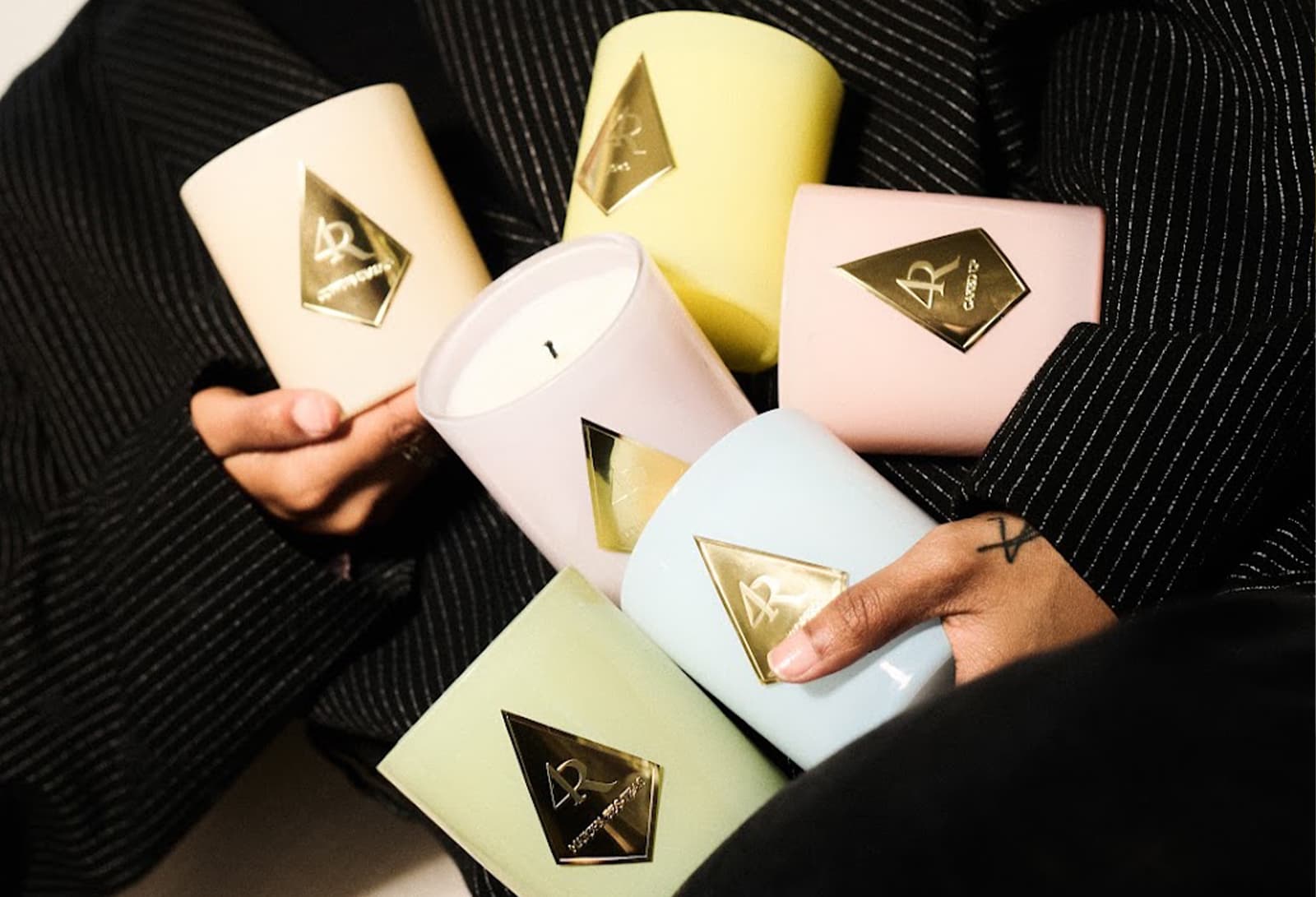
A handful of brands have already made the jump from identity-first to product-first, and their revenue backs it up. Aina put the Forvr Mood thesis plainly. “Being Black-owned is your marketing; it is not a value proposition,” she said. Today, since its Sephora launch, Forvr Mood has sold over 300,000 units. Asamoah echoed the same discipline on the business side. “We wanted to create prestige products at accessible price points for our community. Jackie’s story is part of the brand, but it’s context, not currency. The moment ‘support’ becomes the entire pitch, you’ve told the customer the product can’t stand on its own.”
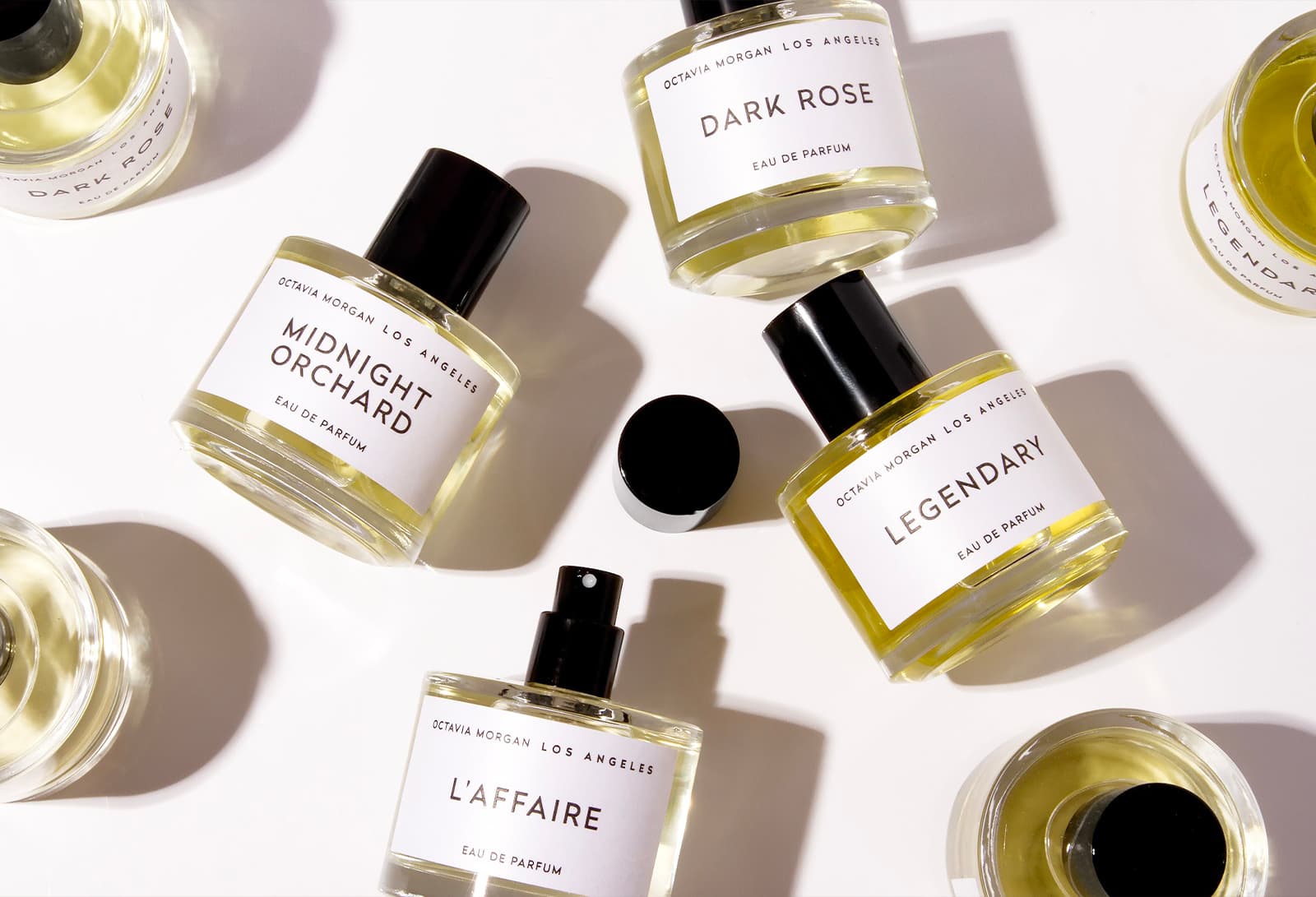
Morgan built her brand on identical logic. “[Having] my background in hospice and palliative completely changed how I think about scent,” she said. “I wanted the customers to fall in love with the fragrance first.” She revealed her intention to have press coverage and retail conversations lead with product, not provenance. “When someone sees a Black-owned fragrance brand, I want their first question to be, ‘What makes this fragrance so good?’ rather than, ‘Who owns this company?’” She’s also pushing for structural change beyond her own brand. “Instead of only highlighting Black-owned brands during designated heritage months, those brands should be integrated into year-round conversations about the best fragrances, the best skincare innovations, or the best beauty launches.”
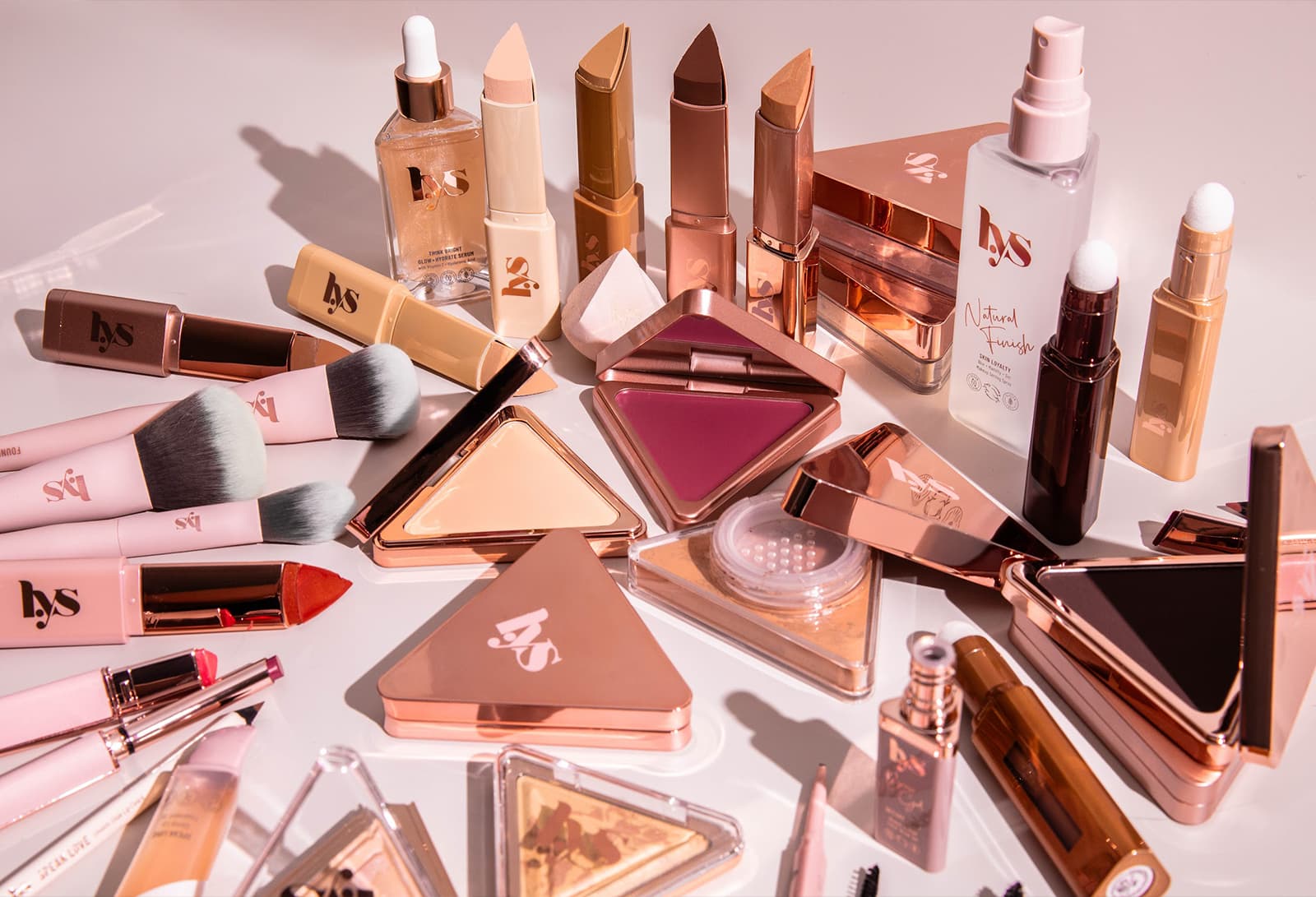
Thompson of LYS Beauty, one of Sephora’s first Black-owned clean color cosmetics brands, reframed “support” to focus on inclusion rather than race alone. “The positioning was never to support me because I’m a Black-owned brand, but rather support me because I know what it’s like to feel othered.” She’s clear-eyed about the weight of the “first” title. “When you launch as Sephora’s first Black-owned anything, you’re acutely aware of the responsibility that comes with it.” Her standard for other founders is unambiguous. “Give them something that is undeniably valuable to their lives, solve a real problem, and deliver results that stand on their own, with or without the identity hook.”
The commercial risk of leading with solidarity is that it doesn’t survive a second purchase cycle. A customer who buys once out of guilt has no reason to buy again unless the product performs. Huggins said buyers already price that in. “Founder’s stories matter, especially for Black-owned brands. But that story is only a marketing tool. It pales next to the effectiveness of the product itself. Clinicals and ingredients will always outweigh a founder’s backstory.”
Thompson has watched consumers develop an ear for performative support. “If your messaging leans one way and it’s not felt through the formulas you create, models you select, creators you partner with, brands you align with, etc., it’s going to fall on deaf ears. Consumers are savvy enough to pick up on those inconsistencies these days.”
Aina made the same point about the founder’s own restraint. Her early fragrance content built an audience for free, long before Forvr Mood existed. “Therefore, when Forvr Mood launched, people organically supported it. More importantly, I did not and would not pressure consumers to buy anything.” That distinction—earned affinity versus solicited guilt—is precisely what separates a brand with repeat-purchase logic from one without it.
The prescription from every source converged on the same point: Use a playbook that offers ingredient science, clinical substantiation, and expert credibility, rather than compete on a different axis entirely. The cleanest version of this playbook is “clean” beauty and biotech beauty. These are categories with no geographic or ethnic identity attached at all, built entirely on ingredient transparency and lab-backed claims.
With K-beauty proving that an efficacy-only pitch can build an $11 billion export business, and Black-founded beauty funding shrinking to a fraction of that scale, the business case for the pivot isn’t ideological but structural. As Aina put it, “Lead with the formula, the experience, and how it makes people feel. The culture is in everything we make; it doesn’t need to do the selling.”